

Blog
Unlock All Herbal Tea Benefits: Our Organic Blends Are Crafted for Your Wellness

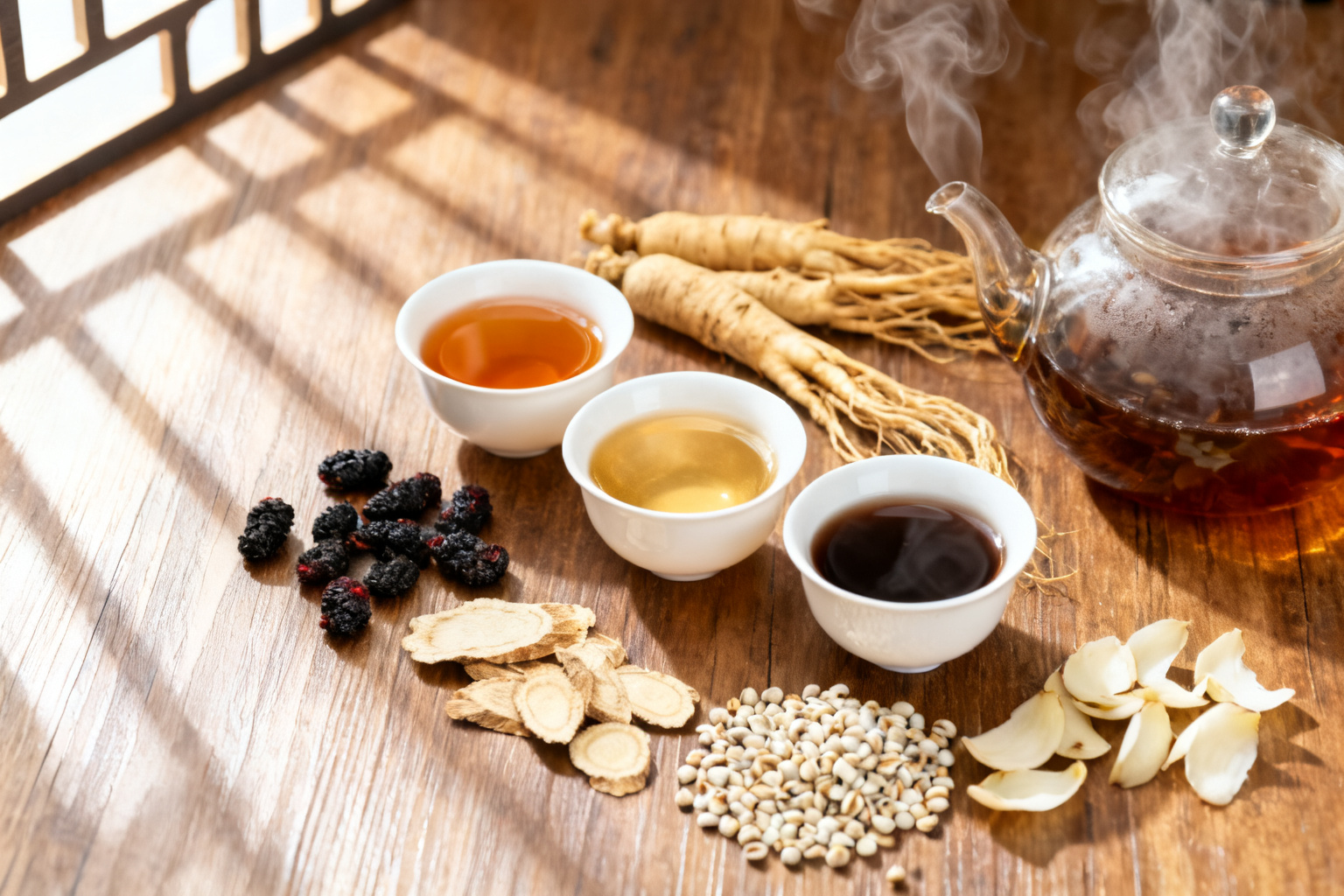
A cup of herbal tea earns its place in a day by fitting an hour, not by promising a transformation. That is the idea behind the three blends in this piece: one for the slow start, one for the flat stretch after lunch, one for the table once the plates are cleared. They are built for different moments, and they taste different enough that you will never mix them up in the cupboard, even in the dark.
It is four in the afternoon. The work that looked manageable at ten has turned into a list of things that all need an answer at once, and the coffee from noon has left a dry, bitter film at the back of your mouth. What you want is not another jolt. You want a hot cup, five quiet minutes, and something that tastes of fruit and flowers rather than roasted beans. That moment, more than any label on a box, is what these blends were put together for.
Below is how each blend tastes, when it earns its place, what to eat beside it, and how to steep it so the cup holds up to the second pour. There is a short section on what we will and will not say about a drink, two tables for the hours that need one, and answers to the questions we are asked most often.
What Is Actually in the Cup
Each blend is a bag of dried plant material and nothing else. Roots, leaves, fruit, seeds, cut and dried so that a spoonful in hot water gives you a drink with a beginning, a middle and an end. There is no flavour dust, no sweetener, no colour. When you open the bag you should be able to point at a piece and say what it is. That sounds like a low bar. In a category where most boxes hold a powder and a promise, it is not.
We are careful about what we say a drink can do. These are whole dried herbs, food and drink rather than medicine, and we do not describe them as anything else. What we will say is narrower and, we think, more useful: the cup tastes good, it is hot, it takes four minutes, and it gives you a reason to sit down. If a blend does not clear that bar on taste alone, no wording on a box would save it.
The ratios get argued over more than anything else. The hawthorn in the after dinner blend goes up a little when the fruit arrives tart and comes down when it arrives soft, because the cup should taste like the same drink every time and fruit does not cooperate. We do not pretend this is an exact science. Some batches lean sweeter, and if you drink the same blend every week for a year you will notice. We would rather tell you that than hand you a number.
A Slow Morning, and the Root Blend That Suits It
The first blend of the day is Ginseng and Polygonatum Herbal Tea. Open the bag and you get pale, slightly leathery root slices with a smell closer to a cellar than a garden. Steeped, it comes out amber and quiet. The first mouthful is earthy, almost like a light broth, and the sweetness arrives late, at the back of the throat, a few seconds after you swallow. It is the least perfumed of the three and the one that most rewards a slow drinker.
This is a cup for the part of the morning that has no audience. Before the phone starts, before the first meeting, while the kettle is still the loudest thing in the room. It suits a morning when you are moving slowly and do not want to be hurried along. The heat does most of the work. Two hundred millilitres, drunk standing at the counter with the window open, is often enough to make the next hour feel less like a sprint and more like something you chose.
People drink it in three ways. Alone, which is how we would start. With plain congee or buttered toast, when breakfast needs something warm next to it. Or as a second steep later in the morning, using the same pieces and slightly hotter water, which gives a lighter, more woody cup. The second steep is not as full as the first, but it is not thin either, and it is a good way to get two drinks out of one spoonful.
The Flat Hour After Lunch, and Something Lighter
If the morning cup is the one that gets you out of the door, the mulberry blend is the one that carries you across the dip after lunch. Mulberry and Lily Bulb Herbal Tea is a paler, lighter thing altogether. Dried mulberry brings a dark, raisiny sweetness, and the dried lily bulb brings a soft, starchy body that keeps the cup from tasting like fruit water. Together they smell faintly floral and taste round rather than sharp.
Three or four in the afternoon is when this one makes most sense. That is the hour when the coffee has stopped working and the biscuit tin has started calling. A hot cup takes about as long to make as a reply to one email, and it gives your hands something to do that is not typing. In summer, brew it in the morning, let it cool, and pour it over ice with a slice of pear. The flavour holds up cold, which is more than most herbal blends manage.
It is also the blend people reach for when they want something in the evening that is not another glass of water. Because it is light, it does not sit heavily after a large meal, and there is no caffeine in it to compete with an early night. Serve it in a small cup rather than a mug. The smell is the best part, and a wide, shallow cup puts more of it under your nose.
After the Plates Are Cleared, Something Toasted
The third blend picks up where the meal ends. Coix Seed and Hawthorn Herbal Tea is the darkest of the three and the only one that tastes like grain. The roasted coix seed is where the smell of a warm kitchen comes from, and the hawthorn adds a tart edge that keeps the cup from turning into porridge water. If you have ever finished dinner and wanted something sweet without opening a cupboard, this is that cup.
Drink it warm, twenty minutes after eating, while the plates are still on the table and nobody has stood up yet. That window matters more than the tea itself. The cup is a reason to stay seated for another ten minutes, which is often the only pause in a long evening. It also works with a plate of sliced apple or a square of dark chocolate, both of which make the tartness read sweeter than it actually is.
One spoonful goes a long way, and the blend takes a second steep well. If you drink it later in the evening, use a smaller cup and stop there. If you have eaten something very rich, brew it a little stronger and drink it slowly. It is a good drink for a table with people still talking at it, because it never demands attention the way a strong coffee does.
What to Eat Beside the Cup
A herbaceous drink is at its best next to something small and plain. The mistake people make is pairing a delicate cup with a strong sweet, which flattens everything the tea was doing. Think of the pairing the way you would think of a garnish: it should point at one flavour in the cup, not cover it. A plain biscuit, a slice of pear, a handful of walnuts, a piece of toast with butter. Nothing that needs a plate of its own.
The table below sets out the pairings we come back to most, and it is a starting point rather than a rule. The middle column is the one to change first if your cupboard says otherwise. All three blends are forgiving, but none of them will rescue a plate of something heavily frosted.
The one pairing we would push back on is cake. A very sweet slice next to a light herbal cup makes the tea taste like hot water, and then people conclude that the tea is weak. It is not weak. It has been outshouted. If you want the cake, drink it with the after dinner blend, which has enough toast and tartness to hold its own against sugar.
Water, Time, and the Right Kind of Cup
Most disappointing cups of herbal tea are made the same way: boiling water straight onto the leaves, a five minute wait that turns into twenty, and a mug so tall the smell never reaches you. The fix is small. Let the kettle rest for a minute after it clicks. Use one heaped teaspoon per cup and give the pieces room to move. And pour it into something with a wide mouth, because much of what you are paying for arrives through your nose.
Getting water temperature roughly right matters more than any other variable, and the differences between the three blends are small enough to remember. The table below is the version we would write on the back of the bag if there were room for it.
One more thing about the vessel. A thin porcelain cup cools fast, which is good for the light blend and less good for the root one. A thick stoneware mug holds heat for twenty minutes, which is longer than most people take to finish a small cup, so use it when you plan to sit down properly. And never fill the cup to the brim. Leave an inch at the top, so the smell has somewhere to gather.
Fitting It Into a Week, and Keeping It Good
The honest pattern, from what people tell us, is two or three cups a week of one blend rather than a cup of each every day. Most households end up with one blend in the kitchen and the other two in a cupboard for guests or for a change of mood. That is a perfectly good arrangement. A drink you make twice a week for a year is worth more than a shelf of things you never open.
The easiest way to build the habit is to tie the cup to something that already happens. Kettle on while the porridge cooks. Cup poured while the pasta water comes to the boil. One small pot on the table after the plates are cleared. None of these need a timer or a reminder on your phone. They need the bag to be somewhere you can see it, which usually means the front of the shelf rather than the back.
What the cup replaces is more interesting than what it adds. For most people it is the fourth coffee, the biscuit at four, or the glass of wine that was really about wanting ten quiet minutes. Swapping in a hot drink does not require giving anything up. It simply puts something warm in your hands at the hour when you were going to reach for something anyway.
For storage, buy the amount you will drink in a couple of months. Dried herbs do not spoil quickly, but they do go quiet. The smell fades first, then the colour of the liquor, then the sweetness at the back of the throat. Keep the bag closed, away from the hob and away from the light, and write the month on it when it arrives, because in six months you will not remember and you will argue with yourself about it.
Every blend here takes a second steep, and the second cup is different rather than simply weaker: less body, more of the top note. Use water a little hotter and give it two extra minutes. We have never agreed among ourselves on whether the second steep of the after dinner blend is better than the first. On a cold night, half of us say yes, and the argument is a pleasant one to have over a cup.
| The Occasion | What to Set Beside the Cup | Why the Two Go Together |
|---|---|---|
| A slow weekday morning | Buttered toast or a bowl of plain congee | The root slices are earthy, so plain starch keeps the cup tasting sweet at the end. |
| The four o'clock dip | A slice of pear or two plain biscuits | The floral note in the mulberry blend reads clearer next to fruit than next to sugar. |
| Twenty minutes after dinner | Sliced apple or a square of dark chocolate | Tart hawthorn and toasted grain meet the bitterness in cocoa instead of hiding from it. |
| A long Sunday afternoon | Walnuts or almonds, nothing salted | The fat and crunch make a light cup feel like part of a meal rather than a pause. |
| Blend | What It Tastes Like | How Warm to Drink It | What It Takes the Place Of |
|---|---|---|---|
| Ginseng and Polygonatum | Earthy at first, sweet at the back of the throat | Hot, just off the boil and rested for a minute | The second coffee you drink without really wanting it |
| Mulberry and Lily Bulb | Faintly floral, round, lightly sweet | Warm or iced, never scalding | The afternoon biscuit and the glass of water you forget |
| Coix Seed and Hawthorn | Toasted grain with a tart edge | Warm, twenty minutes after eating | Dessert on an ordinary weeknight |
FAQ
Is loose herbal tea worth the extra cost compared with tea bags?
Yes, if you drink it more than once a week. A spoonful of whole roots and fruit gives two good steeps, so the cost per cup comes close to a supermarket tea bag, and the flavour is in a different category. You also taste what you paid for, which with dust in a paper bag you simply do not.
How hot should the water be, and how long should it steep?
Let the kettle rest for about a minute after it boils, then pour. Four to five minutes suits the root blend, three to four the mulberry and lily bulb, and five the toasted coix seed. Steeping past ten minutes makes any of them bitter, especially the hawthorn, so set a timer the first few times.
Can I drink these instead of coffee in the morning?
You can, and many people do, but treat it as a different drink rather than a substitute. There is no caffeine in any of the three, so it will not do what coffee does at seven in the morning. What it gives you instead is a warm, unhurried five minutes before the day starts.
Which blend works best in the evening?
The coix seed and hawthorn blend, served warm in a small cup about twenty minutes after dinner. It is the one that tastes most like a finished meal, and the toasted grain keeps it from feeling like an afterthought. If you want something lighter, the mulberry blend also works cold.
What does a second steep actually give you?
A lighter cup, not a weaker one. The first steep pulls out the body and the deep notes, and the second brings out the floral and tart edges that were hidden underneath. Use water a little hotter and add two minutes. Most blends will not give a good third cup, so stop at two.