
Wellness Chinese desserts

Double Skin Milk Pudding: The Two-Layer Cantonese Custard

Double Skin Milk Pudding: The Two-Layer Cantonese Custard
ZeaGrove Journal · Food & Wellness
zeagrove team · November 3, 2026 · 9 min read

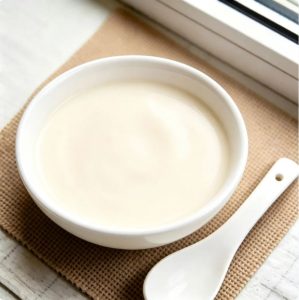
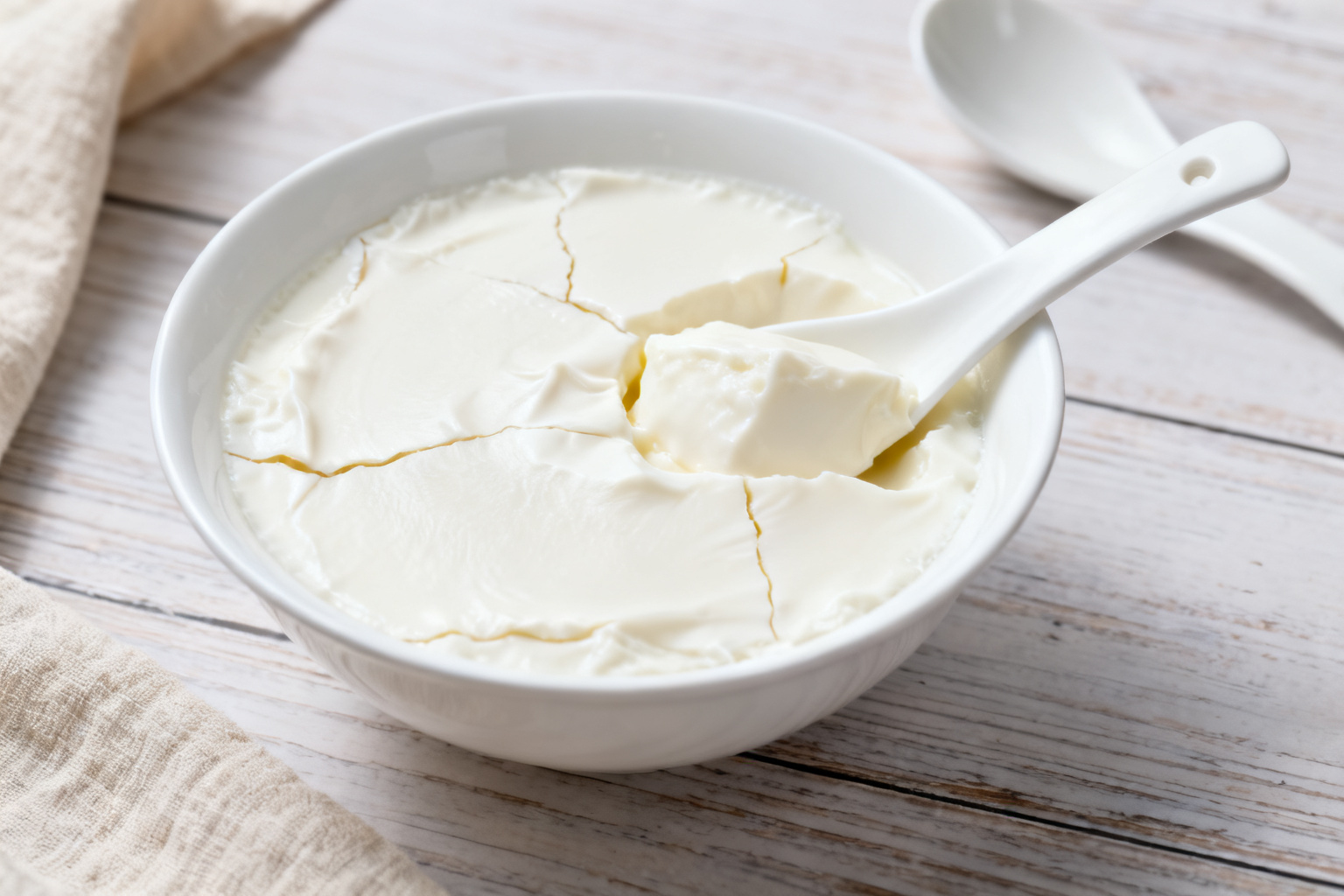
A double skin milk pudding arrives looking almost plain: a shallow white bowl, a pale surface with one faint crease across it, nothing on top. Then the spoon goes in and there are two things where you expected one, a soft sheet that lifts away in a piece and a custard beneath it that trembles instead of cutting. The name is not decorative. There are two skins, and they are made at two different moments.

That is the argument of this piece. In a proper two layer milk custard, the skins are not a garnish or a restaurant flourish. They are what milk does when it is heated, cooled and steamed, and once you see that, the homemade bowl and the chilled version stop looking like the same dessert in different packaging.

Double Skin Describes the Milk, Not the Recipe

Strip the name down and it is accurate. Double skin milk pudding is milk, sugar and egg white, set in a shallow bowl with a skin on the surface. What makes it a Cantonese double skin milk rather than a plain custard is that the skin is not incidental to the recipe. It is the part cooks work hardest to get.

The dessert comes from Shunde, in the Pearl River Delta, where water buffalo milk was the everyday milk. Buffalo milk carries more fat and more solids than cow’s milk, which is why the skin forms so readily there. A cook outside Guangdong can make the same pudding with whole cow’s milk. The skin will be thinner and slower to appear, but it will appear.

Confusingly, both layers are milk. There is no cream layer and no jelly layer. A two layer milk custard is one mixture that has been interrupted, heated and left to cool, moved and steamed, so that the surface sets twice. Everything else about the bowl, the sweetness, the wobble, the way it behaves once cold, follows from that interruption.

The First Skin Forms While the Milk Cools, the Second While It Steams

Heat milk with sugar, pour it into bowls, and leave it alone. As the surface cools, fat globules and milk proteins gather there and link into a thin sheet, the same sheet that forms on a saucepan of milk left on the counter. That is the first skin, and it is the reason the recipe cannot be hurried.

The old method then does something that looks like an error. A cook cuts a slit at the edge of the skin, tilts the bowl and pours most of the milk back out, leaving the skin behind. The milk is whisked with egg white, strained, and returned to the bowl along the inner wall, where the skin floats up again. Then the bowl goes into a steamer, and the heat sets the custard and pulls a fresh skin over the top.

So the two skins are made by two different forces, cooling in one case and steam in the other. This is also why the whole thing is fussy. If the milk is too hot when it goes back in, the first skin breaks. If it is poured from a height, it foams and the surface sets with bubbles trapped in it. A clean top tells you someone was careful, not that the pudding is grand.

A chilled tub bought from a shop has already been through both settings and both risks. What reaches you is the result, ready to eat, with the moving and the pouring already finished.

The Custard Underneath Is Set by Egg White, and Only Just

The body of the pudding is where most versions go wrong, and almost always in the same direction: too firm. Egg white sets a milk mixture at a gentle heat, and it keeps setting for as long as heat reaches it. Two extra minutes in the steamer turn a custard that trembles into one that holds a spoon upright and tastes of cooked egg.

A good soft set barely holds. Tilt the bowl and the surface should move as one piece. Press the edge with a spoon and it should give before it resists. In the mouth it is slick and cool, lighter than a baked custard and less rich than panna cotta, because no cream and no gelatine are doing the work. The skin is the only part with any chew to it.

The ratio of egg white to milk is the whole recipe, and it is smaller than people expect. Too little and the custard will not hold. Too much and the egg flavour pushes through the milk. Cantonese shops settle at the low end, which is why their version looks fragile in the bowl and arrives in something shallow rather than deep. A deep bowl demands a firmer set to look presentable, and a firmer set is a different dessert.

Open a chilled tub and the test is the same one a cook uses at the steamer. Does the surface tremble when the container moves, or has it gone solid?

Cold Is a Cantonese Habit, and Cold Rewrites the Texture

Double skin milk is eaten warm and chilled, but the cold version is what most people mean by the name, and it is the one that travels. A few hours in the refrigerator change the structure. The skin thickens and tightens, the custard firms, and the split between the two textures becomes more obvious than it was at room temperature.

Cold does something else as well. Sweetness reads weaker at low temperatures, which is why a chilled milk pudding dessert that tastes balanced in the shop can seem sweet at home, and why a mixture sweetened to taste while warm often tastes flat once chilled. Cooks who work cold adjust for it. Those who do not end up with a bowl that is either cloying or thin.

What ChangesWarm from the SteamerChilled for Hours
The skinThin and soft, tears if you try to lift it wholeThick and slightly elastic, lifts in one clean piece
The custardLoose and barely holding, sweetest on the first spoonDense and slow, needs a moment on the tongue before it gives
The aromaWarm milk and a faint egg note, obvious as soon as the lid comes offClosed down at first, opens as the pudding warms in the mouth

The right-hand column is where a shop tub lives, which is why it should be eaten soon after it comes out of the cold rather than left on the counter to slacken. Most arguments about this dessert are really arguments about which column someone grew up with.

A Ready-Made Version Has to Protect the Layers

All of this explains why a Double Skin Milk Pudding made to be eaten cold is a slightly different proposition from one eaten at the shop. Once the pudding is set and chilled, the skin is the most fragile thing in the container. It survives a spoon. It does not survive stirring, shaking, or being tipped out into another bowl for the sake of a photograph.

So the useful knowledge is mostly about what not to do. Keep the container upright. Let it stand briefly if the cold is muting everything, but not so long that the custard softens and the skin slackens. Eat it from the container it comes in unless you are quick and confident about turning it out. The package carries the chilling and serving instructions; the shape of the pudding tells you the rest.

What a ready-made version really offers is the part that is hard to fit into a weekday, the pause between the two settings. That pause is where the skin comes from, and it is the reason the dessert cannot be made in a hurry. Buying it chilled means someone else kept the milk still at the right moment.

Eat the Top Skin First, Then Everything Underneath

The spoon order matters more than it sounds. Take the top skin first, the edge of the spoon angled down, in a piece big enough to taste on its own. It is faintly savoury, closer to the aroma of warm milk than to sugar, and it is the only part of the bowl with texture. Then work in shallow scoops that carry custard and a little skin together.

Do not stir. Stirring turns two layers into one cool, sweet milk mixture, which is pleasant enough and is no longer the dessert you were just describing. If the surface has set firmer than you like, take smaller scoops instead of mashing it about. The bowl rewards a light hand.

Served this way, a small bowl is enough, and it belongs at the end of a meal rather than in the middle of one. It is an old kind of Cantonese sweet, quiet and cold, not built to impress. Which is odd, given how much care goes into two thin sheets of milk.

For other Chinese sweets where texture carries the dessert rather than icing or cream, the Chinese dessert collection is a reasonable next stop.

One Thing to Remember

The two skins are not a topping. They are what milk does when it is heated, cooled and steamed again, which is why the texture changes so much between the steamer and the refrigerator, and why the best bowl is the one that has been left alone.

Frequently Asked Questions

What does double skin milk pudding taste like?

Mild and milky, sweet without sharp edges, with a faint cooked-egg note from the egg white. The skin tastes slightly richer and more savoury than the custard beneath it, which is why the first spoonful seems different from the third.

Is it served warm or cold?

Both are traditional. Warm, the skin is delicate and the custard barely holds together. Chilled, both layers firm up and the difference between them becomes obvious. Most people outside Guangdong meet it cold.

What makes the skin form?

Milk fat and milk proteins gathering and setting at the surface, first as the milk cools and again as the custard steams. Richer milk gives a thicker skin, which is why buffalo milk is the traditional choice in Shunde.

Can it be made at home with ordinary milk?

Yes, with whole milk and patience. The skin will be thinner, and the milk has to sit undisturbed long enough for the first skin to form. Skimmed milk is a poor choice because there is less fat to gather at the surface.

Try It Yourself

The bowls mentioned in this article, straight from our kitchen.

Double Skin Milk Pudding

Double Skin Milk Pudding

View Product