
Blog
Rose, Goji or Ginseng: How to Choose an Herbal Tea

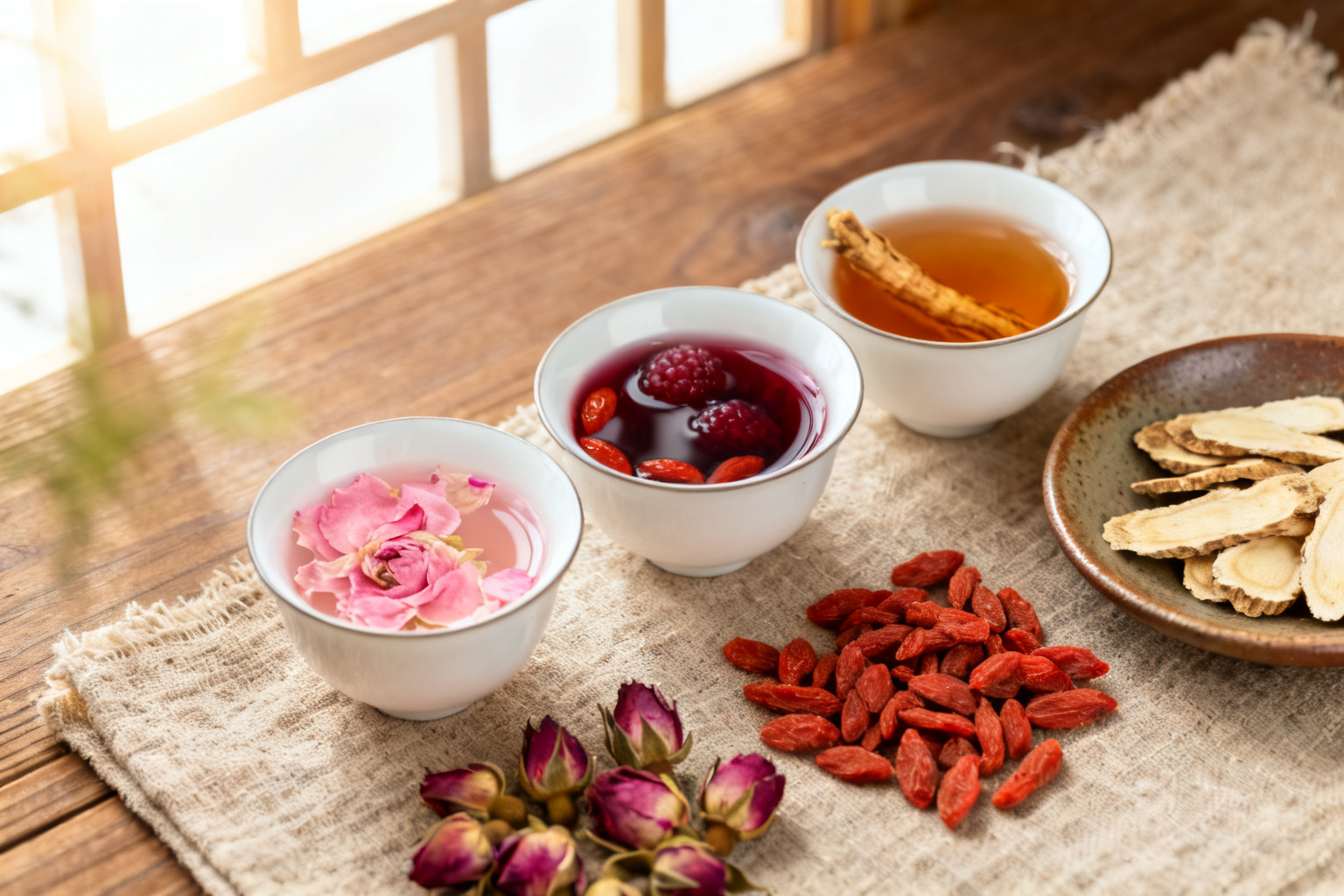
The cup you want is usually decided by the hour, not by the ingredient. Rose, goji and ginseng are sold as three separate things, but the honest difference between them is how strong they taste and when you reach for them. Pick the hour first and the name on the tin gets much easier.
This is a guide to choosing among the cups that sit under the loose heading of herbal tea, including the chinese herbal tea shelf that English-language shops rarely explain. Three questions do most of the work: when you will drink it, how strong you want it, and whether you want something floral or something savoury.
Below, the cups are sorted by hour and by weight, from a rose tea you can drink late at night to a ginseng tea that wants a slow morning. There is a table of raw ingredients, a short section on storage, and three specific blends at the end for anyone who would rather not build a cup from scratch.
In This Article
Which Hour Is the Cup For
Herbal tea for after dinner is its own category, and it is the easiest place to start. After a full meal most people want something light and slightly bitter rather than sweet, and a heavy, syrupy cup at nine at night sits badly. This is where rose tea earns its place. Dried rose buds give a soft floral top note with almost no body, so the cup finishes clean.
Morning is the opposite problem. A cup that tastes of almost nothing is hard to finish before work, which is why ginseng tea tends to be a morning drink. Sliced root gives a savoury, faintly sweet base, closer to a light broth than to a flower, and it holds its shape through a second top-up. It rewards a slow start rather than a rushed one.
The middle of the day is where most cups are actually drunk, and it is the hour with the least patience attached. Something that brews quickly and does not need sweetening will get finished. Something that needs a strainer, a timer and a rinse will not. That is the real test for any cup you plan to keep in a desk drawer for the next three months.
The Chinese Herbal Teas That Rarely Get Explained
Walk into any Chinese grocery and you will find a wall of chinese herbal tea ingredients sold loose, by weight, often with nothing in English on the bag. Three of them are worth knowing because they taste nothing like the flower and fruit cups. Lotus leaf tea is the first: the dried leaf is broad, brittle and dark, and the cup it makes is green, faintly smoky and very light on the tongue.
Hawthorn tea is the second, and it is the sourest of the group. Slices of dried fruit give a sharp, apple-like edge that some people love and others find bracing, so a small piece goes a long way. Lily bulb tea, the third, is the quiet one. Dried scales of the bulb make a mild, faintly sweet cup with a little body, and it usually gets paired with something louder rather than drunk on its own.
What holds these three together is a standard rather than a story. In the kitchens they come from, the leaf is picked at a certain size, the fruit is dried to a certain firmness, and the cup is judged by whether it tastes like the plant it came from. That is the useful part, and it is what separates a good bag from a bag of stems and dust.
The Cup That Has to Survive a Desk
Herbal tea at the office runs on different rules from tea at home. There is no kettle you control, no quiet minute to time a steep, and often no sink. The cups that work are the forgiving ones: a few buds or berries in a glass, hot water from the machine, a top-up an hour later. Rose and citrus peel blends handle that treatment better than most.
Summer narrows it further. Light herbal tea for summer means something that still tastes clean when it has gone lukewarm, because a desk cup rarely stays hot for long. Floral and lightly sour cups survive that better than sweet or creamy ones. If you want it cold, brew it strong and pour it over ice at the last minute instead of leaving it in the fridge overnight.
Goji berry tea sits between those two cases. The dried berries are sweet-tart and give a cup with more color and body than a flower does, which makes goji a better fit for a long afternoon than for a late night. A small handful in a flask stays drinkable for hours, and the berries themselves are worth eating at the end.
Read the Ingredients Before the Name
The most useful habit is to read the ingredient line before the product name. A blend sold as rose tea can be mostly hibiscus with a little rose flavoring, which is why it tastes pink and sharp instead of floral. Whole dried buds, whole berries, sliced root: those are the words to look for. Dust, flavor, color, sweetener: those are the words that mean the cup will taste the same every time and not much like the plant.
It also helps to know what each ingredient is doing, because most blends lean on one or two of them to carry the whole cup while the rest fill space. The table below sets out what the common ones contribute and the point that is easiest to get wrong when you are buying loose rather than in bags.
| Ingredient | What It Sets in the Cup | Body It Adds | Point to Check |
|---|---|---|---|
| Dried rose buds | Floral top note, soft and perfumed | Almost none, thin finish | Buds still pink and closed, not brown |
| Goji berries | Sweet-tart, faintly savoury | Medium, a little syrupy | Berries dry and separate, not clumped |
| Hawthorn slices | Sharp and apple-sour | Light | Slices rather than powder |
| Lotus leaf | Green with a faint smoke | Very little | Leaf whole and brittle, not crumbled |
| Ginseng root | Savoury, faintly sweet, slow | Full, broth-like | Sliced root with the shape still visible |
| Lily bulb | Mild and faintly sweet | Soft, slightly starchy | Scales intact rather than broken |
Two of these are easy to overdo. Hawthorn and lotus leaf both turn bitter if they stay in the water too long, so a small amount taken out early tastes better than a generous amount left in. The floral and berry ingredients are far more forgiving, which is the reason they carry most beginner blends and most of the cups sold as a first step.
How to Store Herbal Tea
How to store herbal tea matters more than most people expect, because what you are protecting is aroma, and aroma leaves fast. The enemies are light, heat, air and moisture, roughly in that order. A clear jar on a sunny windowsill is the worst place in the house and also the most common place to find one.
Keep buds, leaves and slices in a sealed tin or a dark pouch, away from the stove and away from the steam of a boiling kettle. Do not open the container directly over the pot. If you live somewhere humid, a small packet of desiccant inside the tin does more good than moving the whole thing to the fridge. For anything specific about refrigeration or shelf life, follow what the pack says.
One thing is genuinely hard to judge without trying it. Two bags of the same rose buds can smell completely different depending on how long they sat in a warehouse, and no date stamp tells you that. Buy small, smell it when it arrives, and only then decide whether the larger bag is worth the shelf space.
Three Cups Worth Starting With
If a soft floral cup is what you are after, the place to start is Rose and Buddha Hand Herbal Tea. Dried rose buds carry the scent, and slices of Buddha hand, the fingered citrus, give a clean edge underneath, so the cup reads as flower first and citrus second rather than as perfume. It is the lightest of the three and the one that suits a late hour.
If that sounds too delicate, the next cup has more weight and more color. Goji Berry and Raspberry Herbal Tea leads with dried goji berries and raspberries, which give a sweet-tart cup with a little syrupiness, closer to a diluted fruit infusion than to a flower. It holds up better in a flask and is the easiest of the three to drink without thinking about it.
The third goes the other way entirely, from fruit back to root. Ginseng and Polygonatum Herbal Tea is the savoury one, with sliced ginseng and polygonatum root giving a faint sweetness and a broth-like body. Give it a quiet ten minutes rather than a desk and a deadline. Drunk in a hurry it tastes like hot water with something in it.
One Thing to Remember
Choose the cup by the hour you will drink it, not by the ingredient on the label. A floral cup suits a late evening, a root cup suits a slow morning, and a sour fruit cup survives a desk. Storage decides whether the second cup tastes like the first.
Frequently Asked Questions
Why does loose leaf tea cost more than a box of bags?
Because you are buying the leaf rather than the bag, the string and the box. Loose ingredients are sold by weight, so a small tin usually makes more cups than it looks like it will, and whole pieces can often take a second pour. Cost per cup is the number worth comparing.
How long should the ingredients stay in the cup?
Taste it early and decide from there. Floral ingredients give up their flavor quickly and go flat if left sitting, while sliced root and dried fruit keep going and handle a refill. Start with less and add, rather than leaving everything in and hoping.
Which of these works best at a desk?
The most forgiving one, which usually means floral or lightly sour rather than creamy or sweet. A few rose buds or a small spoon of goji berries in a glass still taste fine after an hour of slowly going cold, and neither needs a strainer if you are willing to drink around them.
How is this different from a supermarket blend?
The difference is mostly in what else is in the bag. Supermarket blends are built to taste identical in every batch, which often means added flavor and a lot of filler. Loose whole ingredients taste like the plant, vary a little from bag to bag, and let you decide how strong the cup is.
What does chinese herbal tea actually mean?
It is a loose English label for ingredients that Chinese households have long brewed as everyday drinks, sold dried and prepared at home. It covers flowers, fruit, leaves and roots, and says nothing about strength or style. Read it as a shelf in the shop, not a category with fixed rules.
Try It Yourself
The bowls mentioned in this article, straight from our kitchen.
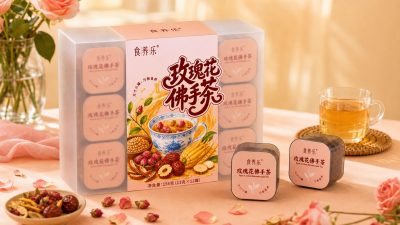
Rose and Buddha Hand Herbal Tea
View Product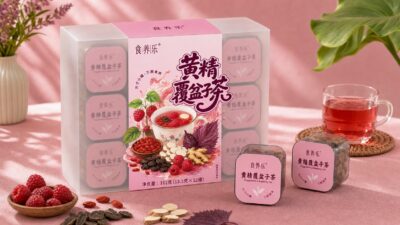
Goji Berry and Raspberry Herbal Tea
View Product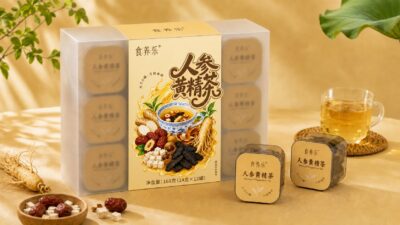
Ginseng and Polygonatum Herbal Tea
View Product