

Blog
Winter Warm-Up Self-Heating Herbal Soup Immune-Boosting Natural Tonic

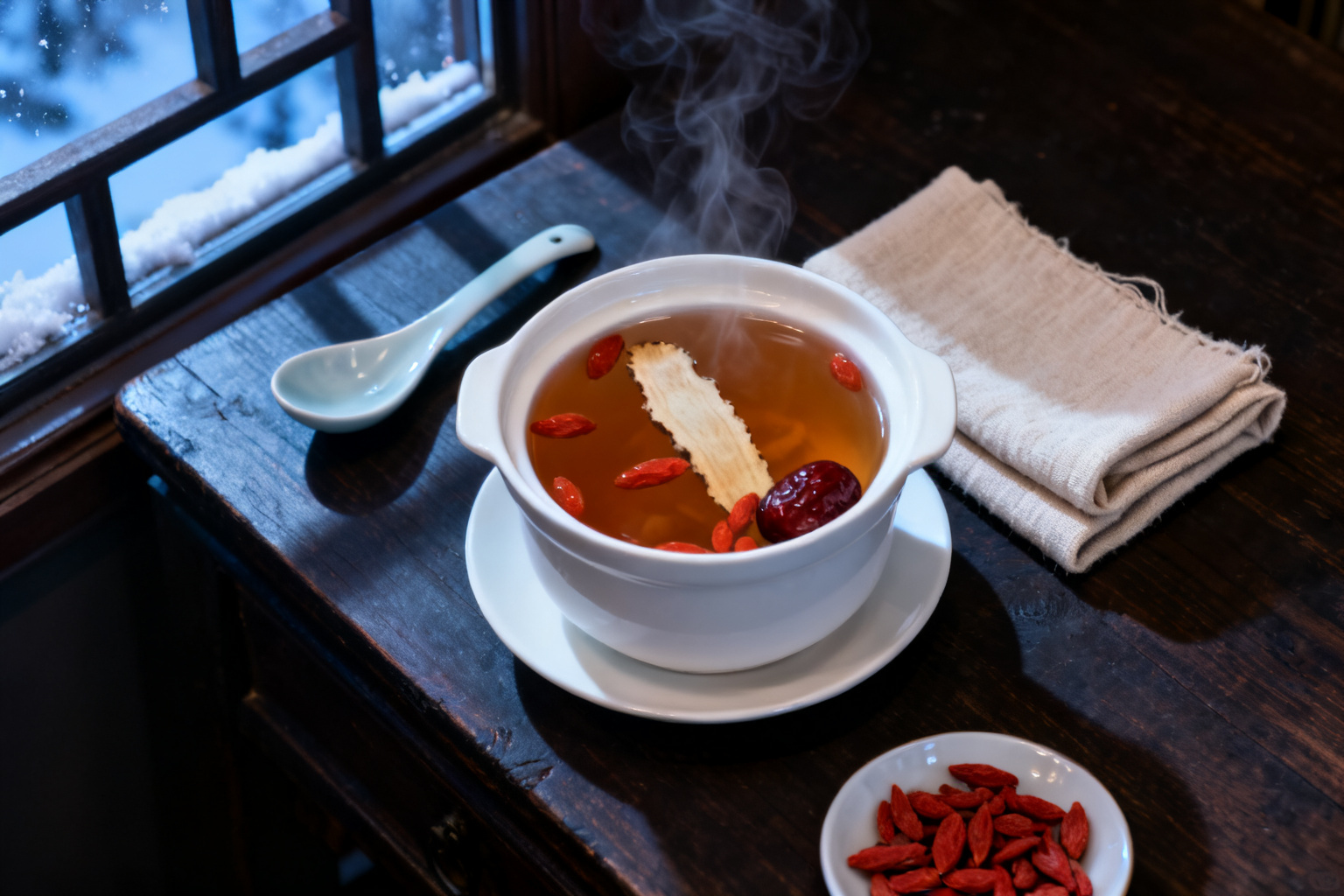
Cold weather does something simple to appetite: it makes you want a bowl of something hot, and it makes you want it now. The problem is that the soups worth wanting in January are the ones that take three hours and a shopping trip. That gap, between wanting and having, is where ZeaGrove lives.
This piece is about five herbal soups and the winter evenings they belong to. Which one to open when you come in frozen at nine at night, which one suits a slow Sunday, which one to put in front of someone who has been coughing for a week and does not want to be fussed over. It also covers how the self-heating base works, what to put on the table beside the bowl, and how to make a soup that is already made taste like it was not.
One thing worth saying plainly at the top: these are food, made to be eaten and enjoyed. They are not medicine, and nothing here is a cure for anything. What follows is about warmth, flavour and timing.
What a Winter Herbal Soup Is Actually For
In southern China, a pot of soup like this sits on the stove for hours, and nobody treats it as a remedy. It is dinner. The herbs are chosen for the way they taste against the meat, and the long simmer is there to pull the sweetness out of the roots and the fat out of the bones. The result is a clear, faintly amber broth that tastes of the ingredients rather than of seasoning.
That is the standard we work to. Not a supplement in a bowl, not a wellness ritual with a dropper, but a soup that would be recognisable to someone who grew up eating it. When the weather turns, the appeal is not complicated: something hot, something savoury, something that takes more than four minutes to finish. A bowl you sit down to rather than drink standing up.
The herbs themselves are the ordinary pantry kind. Codonopsis, astragalus, reishi, sour jujube, dendrobium, coix seed. You will find them in any Chinese grocery, sold by the bag, and they have been cooked into broth for a very long time. We are not claiming anything special about them beyond this: they taste good when they are simmered properly, and they make a broth feel like a meal instead of a snack.
How the Bowl Heats Itself
The heat comes from a small heating unit built into the base of the bowl, shaped like a shallow cup. You turn the bottom of the bowl, and it starts warming on its own. The design is our own patent. There is no kettle, no microwave, no pot, and nothing to plug in.
What that buys you is the thing that is hardest to arrange on a cold night: a hot bowl in the time it takes to find a spoon. Peel the lid back, twist the base, and let it sit while you take off your coat. The soup comes up to heat gently, which matters more than it sounds, because a broth that is heated too fast tastes flat and a broth brought up slowly keeps its aroma.
A detail we learned from people writing in: the bowl stays warm for a while after the heater finishes, so if you are the sort of person who eats slowly and reads at the table, you are not racing a cooling bowl of soup. Several customers have told us they now use the empty warm bowl as a hand warmer while they finish their tea. That was not the design intent, but we are not going to argue with it.
We have not published heating figures, times or temperatures, because we would rather you judge it by the first bowl than by a number on a page. Open one, twist the base, and see how long it takes in your kitchen on your kind of evening.
The Cold-Weather Bowl for Deep Winter Nights
If you only keep one of these in the cupboard, keep the one that tastes like a proper winter soup. Cistanche codonopsis pork pigeon soup is the richest of the five, built on pigeon and pork with cistanche and codonopsis simmered in. It is darker than the chicken broth, rounder on the tongue, and it leaves that slightly sticky, lip-coating feeling that only long-cooked bones give you.
This is the bowl for the night you get home and the flat is colder inside than the street. Not because it does anything dramatic, but because it is dense enough to count as dinner on its own. Pigeon does that: it makes a broth that feels like it has body rather than just heat. If you have had a long week and eaten badly for three days, this is the one that resets the palate.
Serving note from our own kitchen tests: let it sit a full minute after the heater stops before you lift the lid properly, and put your face over the bowl for a second. The steam off a cistanche broth is one of the better smells in a winter kitchen, and it costs nothing.
The Lighter Cup for a Chilly Afternoon
If the pigeon bowl reads as too heavy for a weekday lunch, the pigeon soup with codonopsis and astragalus is the same idea in a lighter register. Codonopsis astragalus pigeon soup is thinner, clearer and more herbal on the nose, the kind of broth you can drink from a cup rather than eat from a bowl with a spoon.
Astragalus has a mild, almost sweet rootiness that shows up late, after the first swallow, and it keeps the broth from tasting heavy. This is the one to open at four in the afternoon when the light is going and you have another two hours of work in you. It is also the better choice before a long drive or a late train, because it is light enough that you are not thinking about your stomach afterwards.
Customers ask us which of the two pigeon soups to start with, and the honest answer is that it depends on the hour. The cistanche version is an evening bowl. The codonopsis and astragalus version is a daytime cup. People who keep both tend to keep them for exactly that reason, one for after dark, one for before.
When the Evening Needs to Slow Down
There is a third kind of winter night, the one where you are not cold so much as wound up, and a heavy soup is the wrong answer. For that, reishi sour jujube chicken broth is the one we reach for. Chicken broth is the mildest base of the five, and reishi brings an earthiness that sits underneath rather than on top.
Sour jujube is the interesting part. It has a faint tartness, close to dried fruit, that makes the broth taste brighter than a plain chicken soup, and it keeps the reishi from dominating. The overall effect is a bowl that feels quiet. Not bland, quiet. We have had people tell us they drink it instead of a second cup of tea at ten at night, and that seems like the right use for it.
One thing we are still unsure about, and will say so: whether the aroma of reishi is something you come to like or something you like immediately. Our own tasters split roughly down the middle, with several people saying the first bowl was strange and the third was the one they started craving. If the first mouthful seems odd, give it another evening before you decide.
Two of the five soups sit more naturally in warmer weather, and it is worth knowing where they fit before we get to the table. Dendrobium American ginseng duck soup is the lightest broth in the range, duck-based and almost delicate, with a clean finish that makes it easy to drink in a warm room. It is the one to keep for the odd mild day in February when the heating is on too high and a heavy bowl feels like too much.
The other is hairy fig root and coix seed old duck soup, which is fuller than the dendrobium version and slightly grainy from the coix seed, in a good way. It tastes like something cooked slowly in a clay pot, and it holds up well with a spoonful of rice dropped in at the end. Both of these are soups for a humid day or a stuffy room rather than a frosty one, and we would rather say that than pretend all five are interchangeable.
What to Put on the Table Beside the Bowl
A herbal soup is a complete dish, but it is not a complete meal, and the difference matters. The bowl gives you heat, salt-free savouriness and aroma. What it does not give you is crunch or starch, and a winter dinner without either feels thin by the last third. The fix is small and takes thirty seconds.
Our default is plain rice, cooked a little drier than usual so it does not go soft under the broth, with a spoonful dropped into the bowl at the end. The second default is bread, torn rather than sliced, which is less traditional but works better than you would think with the chicken broth. For crunch, something quick-pickled, cucumber or cabbage, or a handful of roasted peanuts. For freshness, a few leaves of coriander laid on top after the lid comes off, never before.
The table below is how we would actually plan a week of these, matched to the kind of evening rather than to the product itself. It is a serving guide, not a rulebook. Swap rows freely.
| The Evening You Are Having | Which Bowl to Warm | What to Set Down Beside It | Why the Three Work Together |
|---|---|---|---|
| Home late, flat cold, nothing cooked | Cistanche codonopsis pork pigeon soup | Plain rice, a spoonful stirred in at the end | The broth is rich enough to carry starch without losing its body |
| Mid-afternoon slump on a working day | Codonopsis astragalus pigeon soup | Nothing, or a plain cracker | Light and clear, so it lifts the hour instead of weighing it down |
| Wound up at ten at night, not hungry exactly | Reishi sour jujube chicken broth | A small dish of roasted peanuts | The tartness cuts the salt of the nuts and the bowl stays quiet |
| Mild day, heating on too high, room stuffy | Dendrobium American ginseng duck soup | Quick-pickled cucumber | Both are light and clean, so neither sits heavily in a warm room |
| Humid, overcast, no appetite | Hairy fig root and coix seed old duck soup | A few coriander leaves, added after the lid comes off | The graininess of the coix wants something green and fresh on top |
Small Things That Make a Made Soup Taste Made
There is a real difference between a soup that has been reheated and a soup that has been finished, and it comes down to what you do in the last sixty seconds. Three things are worth the effort. First, warm the bowl before the soup goes in, either with hot water or by running the heater once while the lid is still on. Second, add salt at the end, in flakes, on the surface, and taste as you go. Third, put something raw and green on top after heating, never before, because herbs go bitter in a hot liquid.
A fourth thing, less obvious: do not stir a herbal broth more than you need to. The herbs settle, and the first few mouthfuls are meant to be the clearest. Stirring everything up makes the bowl muddy and the last third tastes the same as the first, which is the opposite of what you want. Let it be uneven.
We also keep a small jar of goji berries in the cupboard and drop four or five into the bowl after the heater stops. They plump in the residual heat, add a sweet-sour pop, and make the bowl look like someone bothered. It is the cheapest upgrade we know of, and it works on all five soups.
If you want to see the whole range in one place rather than picking from this piece, the soups sit together on the herbal soup range page. Everything in it follows the same rule: a broth that tastes of what is in it, in a bowl that heats itself.
Keeping a Winter Shelf Without Overthinking It
The people who get the most out of these soups are not the ones who buy twelve at once. They are the ones who keep three in the cupboard and treat them like a normal part of the week, the way you keep pasta or eggs. Two or three bowls a week is the pattern we see most often, and it usually replaces the meal that would otherwise have been a packet of instant noodles or nothing at all.
A practical way to stock: one rich bowl for late nights, one light cup for daytime, one quiet bowl for the evenings when you are not hungry so much as unsettled. That is three products, and it covers most of a winter. Add the two lighter duck soups in spring if you like the pattern.
Storage is simple. They keep at room temperature, which is the point of the format, and they do not need the fridge. Keep them somewhere you will see them, though. A box at the back of a cupboard is a box that stays there until March, and the whole value of having one is that it is the easiest thing in the kitchen on the night you need it.
A Word on What These Are Not
We are often asked whether a herbal soup can replace a multivitamin, help you avoid getting ill, or fix a bad winter. It cannot, and we are not going to suggest otherwise. These are soups. They are made in a kitchen, sold as food, and judged the way food is judged: by whether you want a second bowl.
What we will claim is narrower and, we think, more useful. The broth tastes of the ingredients listed on the bowl. It comes out hot without a pot. And it tastes the same in February as it did in November, which is harder than it sounds when you are dealing with roots and dried herbs from different seasons.
If you are pregnant, cooking for a young child, or managing a condition and unsure how any dried herb fits, ask a doctor or a dietitian rather than us. We know how the soup is made. We do not know your health, and we would not pretend to.
How to Choose Your First Bowl
If you have read this far and still cannot decide, use the hour rather than the flavour description. What time is it when you imagine eating this? If the answer is late at night and you want something that feels like dinner, start with the cistanche and pigeon. If it is the middle of the afternoon, start with the codonopsis and astragalus. If it is ten at night and you are wound up rather than hungry, start with the reishi and sour jujube.
And if the answer is that you do not really have a winter, only a rainy season and a lot of air conditioning, start with the duck soups instead. They were built for warm rooms and they do not ask you to be cold to enjoy them.
Whichever you pick, the first bowl is a test of the format as much as the flavour. Twist the base, wait, sit down. If that sequence feels like something you would do again on a Tuesday, you have your answer, and the rest is just deciding which shelf to clear.
FAQ
Which of the five soups is worth starting with if I only buy one?
Start with the codonopsis and astragalus pigeon soup if you are unsure. It is the lightest and clearest of the pigeon bowls, so it works at lunch or in the evening, and it gives you a clean read on whether you like the herbal register at all. People who find it too thin usually want the cistanche version next.
How hot should I eat these, and how long should I let one sit?
Eat them as soon as the heater finishes, while the aroma is still coming off the surface. If you like a gentler bowl, wait a minute after it stops. Do not let one sit for half an hour and then eat it, because a herbal broth loses most of its top notes as it cools and the roots turn flat.
Can a bowl like this work as breakfast or as a late-night meal?
Yes to both, with different choices. The codonopsis and astragalus cup is the easiest at breakfast because it is light and drinkable from a mug. For late night, the cistanche and pigeon bowl is more satisfying, and the reishi and sour jujube is better if you want something quiet rather than filling before bed.
How is this different from ordering soup from a restaurant?
The difference is waiting. A restaurant bowl arrives in forty minutes and depends on someone else being open. This one is in your cupboard, and it is hot in the time it takes to take off your coat. The trade is that a restaurant can give you fresh herbs and a clay pot, which we cannot put in a bowl.
Do I need to add anything, or is the bowl complete on its own?
The bowl is complete as a dish, but most people add something small. Plain rice, torn bread, a few peanuts or quick-pickled cucumber are the usual choices, and a pinch of salt flakes at the end makes a bigger difference than it should. Coriander or goji berries go on after heating, never before.