Blog
Kudzu Root and Gastrodia: Inside a Pork Bone Soup
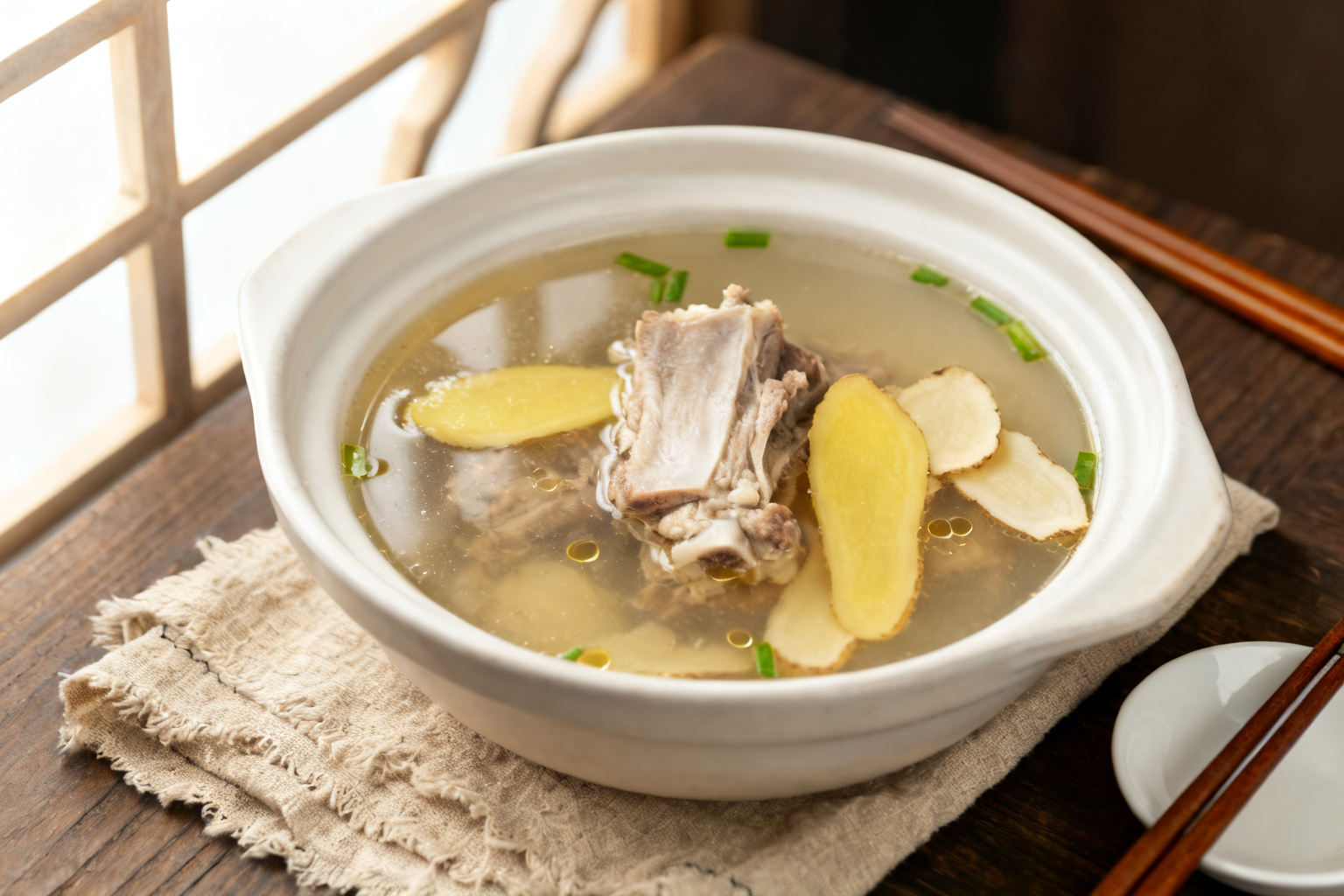
A bowl of gastrodia kudzu root soup does not taste the way the name suggests. The name sounds like a prescription; the bowl is savory, faintly sweet, and lightly earthy, closer to a well-made pork and root vegetable broth than to anything you would sip from a teacup. The broth has weight without being thick, and the roots give it an aroma that sits between cooked chestnut and dried mushroom.
Three ingredients do three different jobs, and that is the argument of this article. Kudzu root gives the broth its body and a late sweetness, gastrodia gives it an earthy, faintly bitter edge, and pork bone supplies the savor that holds the two together. Once you can taste those three things separately, the bowl stops being a mystery and becomes something you can season, pair, and reheat with a bit of confidence.
In This Article
- The Label Lists Three Ingredients, Not Three Remedies
- Kudzu Root Is There for Body Before It Is There for Sweetness
- Gastrodia Brings the Bitter, Earthy Edge That Keeps the Broth Awake
- Pork Bone Is What Makes the Bowl Read as Dinner
- Savory Comes First, Earthy Second, and Sweetness Lasts Longest
- A Ready-to-Eat Bowl Still Has to Respect the Broth
The Label Lists Three Ingredients, Not Three Remedies
Start with what is actually in the pot. Kudzu root is the starchy root of a climbing legume grown across East Asia, sold dried in pale slices, ground into a powder, and occasionally found fresh. Gastrodia is the tuber of a small orchid, also sold dried and sliced, usually in slightly translucent pieces that look more like a dried vegetable than anything exotic. Neither is a rare curiosity. Both sit in the same market aisle as dried mushrooms, lotus root, and yam, and both are cooked the way those are: simmered with meat until they soften and give up their flavor.
That is why a gastrodia kudzu root soup reads as food first. In home kitchens the pairing usually means pork bone, sometimes chicken, built for a long, quiet simmer and eaten as a proper course. Zhigule’s Gastrodia Kudzu Root Pork Bone Soup follows the same logic in a ready-to-eat format: the two roots and the bone are the recipe, and the rest of the bowl exists to support them.
Kudzu Root Is There for Body Before It Is There for Sweetness
If you have only met kudzu root in a jelly or a drink, this soup will surprise you, because here the root works as a starch. A kudzu root soup gets its particular weight from the starch in the slices: not the heavy blanket of a cornstarch slurry, but a light root starch body that coats the spoon and makes the broth feel rounder than its short ingredient list suggests. Simmer the dried slices long enough and some of that starch moves into the liquid, which is why a good broth can look faintly glossy without any thickener being added.
The sweetness is secondary and easy to miss. It is not sugar; it is closer to the mild sweetness of a boiled chestnut or a piece of cooked yam, and it shows up at the end of the spoon rather than the front. The slices themselves, once soft, eat like a dense root vegetable with a little fiber left at the center. That texture matters. In a good bowl you get something to chew, not just liquid to sip.
This is where a packaged version either works or does not. In a bowl like this one, the kudzu root is what the broth leans on for weight, so heat it gently and stir once rather than boiling it hard, which keeps the starch from tightening and the body from turning gluey.
Gastrodia Brings the Bitter, Earthy Edge That Keeps the Broth Awake
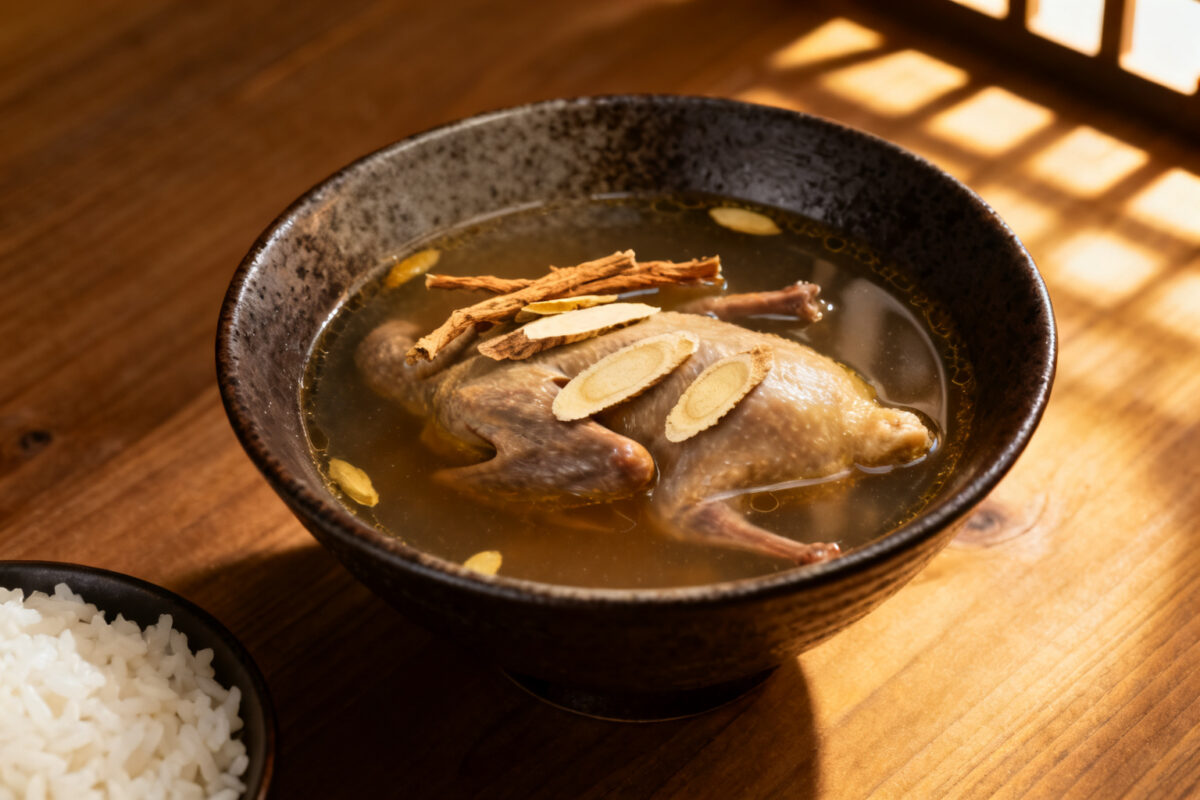
Gastrodia is the ingredient people notice second and remember first. Dried gastrodia has a smell that is hard to place: part cooked yam, part dried mushroom, with a clean bitter note at the back. Simmered in broth, it gives the soup an earthy bitterness that works the way a bitter green works in a rich dish. It cuts the fat from the pork bone and keeps the bowl from going flat after the third spoon.
The bitterness is mild, and it moves. In the first spoon, with the broth hot, you mostly get aroma and savor, and the bitter note arrives a beat later. As the bowl cools, the bitterness reads more clearly, and so does the sweetness of the kudzu root, which is why the last few spoons of a good bowl taste different from the first. The gastrodia slices also hold their shape far better than the kudzu root does, so they give the soup a second texture: firm, slightly resistant, a little chewy at the edge.
If the ingredient is new to you, this is the part to watch. A bowl built on gastrodia is not trying to hide the root behind salt and soy. The root is the reason the soup tastes like itself.

Pork Bone Is What Makes the Bowl Read as Dinner
Take the bone out and the same two roots make a thinner, more austere broth. Pork bone changes the register. Simmered slowly, bones give up fat, gelatin, and a deep savor that no amount of salt can imitate, and that savor is what tells your mouth this is a meal rather than a steeping. A gastrodia pork bone soup lives or dies on that base.
The bone also changes the texture of everything around it. A broth with good gelatin has a slight viscosity while it is warm and sets softly as it cools, which is why a pork bone soup can taste full even when it looks clear. In a bowl built this way, the fat should sit on the surface in small beads rather than one slick, and the salt should stay low enough that you can still taste the roots underneath it.
This is where the packaged bowl has to be honest. It should be seasoned as a savory dish and served hot enough that the aroma carries, with the bone doing the same job it does in a home pot: holding the two roots together so neither one takes over.
Savory Comes First, Earthy Second, and Sweetness Lasts Longest
Eat the soup in order and it explains itself. The first impression is savory, then root, then a slow sweetness at the back of the tongue that stays after you swallow. Temperature shifts that order. Hot, the aroma and the salt lead; as the bowl cools toward warm, the bitterness and the sweetness both step forward, and the broth feels a little heavier because the starch is settling.
None of that is a flaw to fix. It is a reason to eat the bowl at the temperature you like and not let it stand for an hour. If you want the roots to read clearly, keep it hot and stir every few spoons. If you want the sweetness, give it five minutes to cool and it will come to you.
| What You Taste | Where It Comes From | How It Reads When Hot | How It Reads Once Cooler |
|---|---|---|---|
| Savor | pork bone, its fat, and a modest amount of salt | leads the first spoon and carries most of the aroma | turns slightly heavier and flatter unless it is stirred |
| Earthy bitterness | the gastrodia slices and the liquid they flavor | arrives a beat after the salt, easy to miss | steps forward and becomes the easiest note to name |
| Faint sweetness | the starch in the kudzu root | sits at the very back of the sip | lasts longest, well after the bowl is finished |
| Body | kudzu root starch held in the liquid | coats the spoon lightly, like thin syrup | thickens a little, so loosen it with hot water, not more salt |
A Ready-to-Eat Bowl Still Has to Respect the Broth
Because the soup is starch-thickened and root-forward, reheating matters more than dressing it up. Warm it gently and follow the pack for method and time; a hard boil makes the broth tighten and the roots go soft in the wrong way. Once it is hot, taste before you season. An herbal soup with kudzu root is already balanced, so a pinch of salt or a crack of white pepper is usually enough, and soy sauce tends to bury the gastrodia.
It also takes quiet additions well. Pour it over plain rice and it turns into a more substantial dinner. Ladle it over thin wheat noodles, add a handful of blanched greens, or drop in a few slices of fresh ginger if you want the heat to move forward. What it does not need is garlic, chili oil, or anything sweet, all of which push the two roots into the background.
Storage is the one place to be strict. Keep the pack sealed until you plan to eat it, refrigerate or freeze only if the packaging says you can, and finish it inside the window printed on the pack. If you want to see what else sits alongside this style of soup, the herbal soup range is a reasonable place to look next.
One Thing to Remember
The two roots are not interchangeable seasonings: one supplies body through starch, the other supplies an edge through bitterness, and the bone supplies the savor. Season lightly and reheat gently, and the bowl tastes like dinner instead of a remedy.
Frequently Asked Questions
What does gastrodia kudzu root soup taste like?
Savory and light rather than sweet or medicinal. Expect pork bone savor first, an earthy and faintly bitter note from the gastrodia, then a mild starch sweetness from the kudzu root that lingers at the end.
Is kudzu root the same thing as kudzu starch?
They come from the same root but are not interchangeable. The starch is a powder used to thicken sauces or set jellies, while dried slices are simmered whole and eaten as a soft root vegetable. A soup uses the slices and picks up only the starch that leaches out of them.
How should I season or serve it?
Taste it hot before adding anything. A pinch of salt or white pepper is usually enough, and the soup works well poured over rice or thin noodles with a handful of blanched greens.
How do I reheat and store it?
Follow the method, time, and storage instructions printed on the pack. Reheat gently and stir rather than boiling hard, since a starch-thickened broth tightens when it is pushed too far.
Try It Yourself
The bowls mentioned in this article, straight from our kitchen.

Gastrodia Kudzu Root Pork Bone Soup
View Product