

Blog
Ginseng and Polygonatum, a Warming Cup to Start the Day

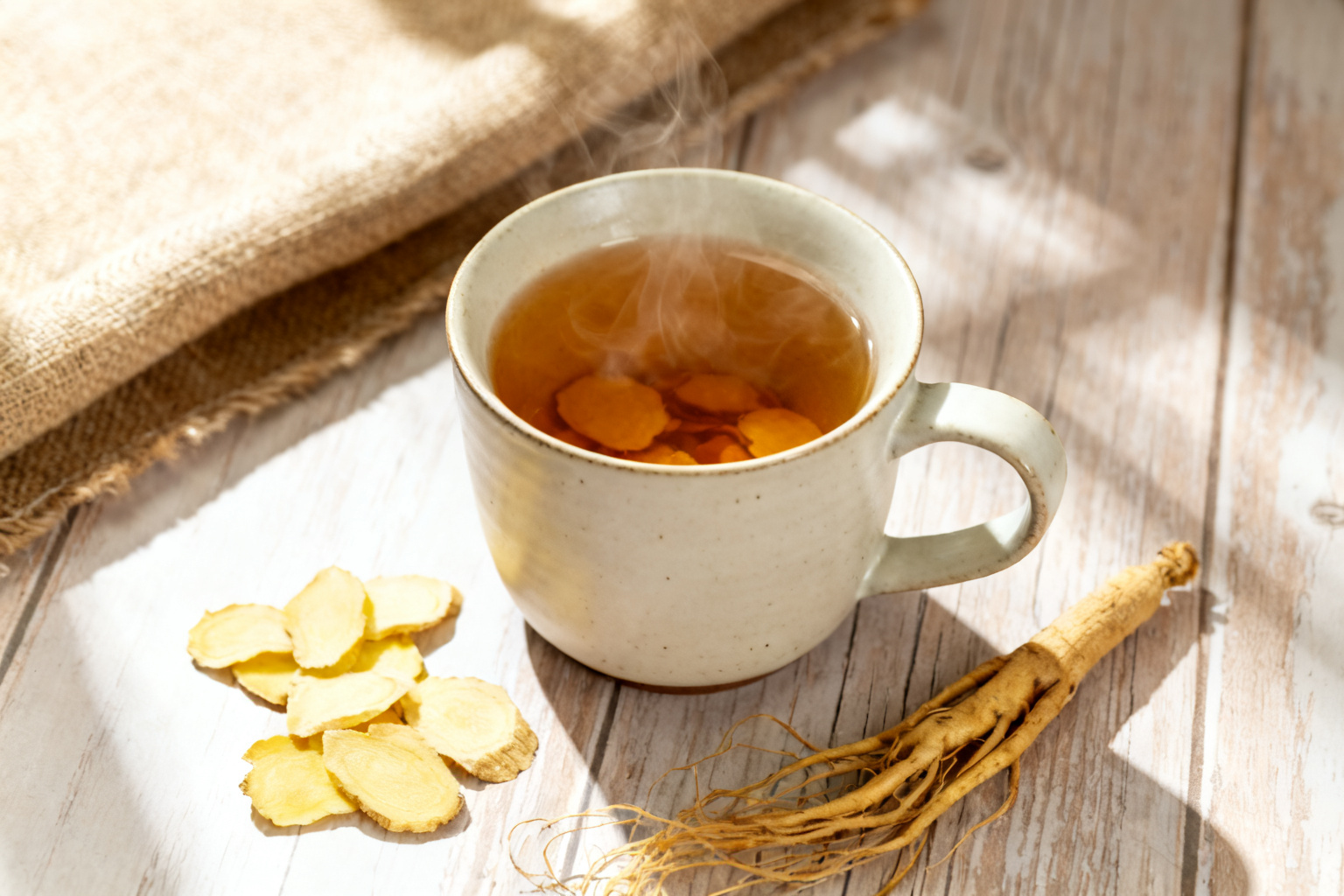
Ginseng and polygonatum tea is a two-root infusion, and the name is unusually honest about what is in the cup. One root sets the tone, the other rounds it off. Both have long histories in Chinese kitchens as soup and tea ingredients, so the pair arrives as food rather than as a remedy. What makes it worth a place in your morning is not the ingredient list on its own. It is the heat.
The argument here is narrow. Ginseng and polygonatum only make full sense together, and only when the cup is hot. Warmth is what lets the sharper root and the sweeter one meet in the middle, and the morning is the hour when a slow, lightly bitter drink earns its place. Everything below follows from that.
In This Article
Two Roots, One Cup, and They Are Not Doing the Same Job
Ginseng root is the one the name leads with, and it behaves like a lead. Dried ginseng is pale, woody and sliced thin, with a smell somewhere between licorice and the earth under a forest floor. The taste arrives in stages: a faint bitterness first, then a sweetness that shows up after you swallow. That late sweetness is why the root has stayed in Chinese soups and teas for so long, and it is also why a cup built on ginseng alone can feel sharp and one-note.
The polygonatum rhizome is the quieter half. It is starchy and pale, closer to a root vegetable than to a herb, and it tastes sweet before anyone adds anything to it. In Chinese cooking it turns up in slow soups where its job is body rather than flavor. More than one species is sold under the same name, so the exact sweetness varies from pack to pack. What does not vary is the effect on texture: steeped or simmered, polygonatum makes a cup feel rounder.
Pairing the two is not a new idea, and it is not a marketing one either. Chinese home cooking has long put both roots in the same pot and let them simmer together for an hour or more, which is the same logic as a tea with far less time and nothing to hide behind. The tea version simply removes the volume, so the bitterness and the sweetness sit closer to each other and are easier to read.
Put the two together and you get what people mean by ginseng polygonatum tea: a cup with a bitter front and a soft back, an aroma that lifts and a finish that hangs on. The blend here is built on exactly that pairing. Ginseng and Polygonatum Herbal Tea keeps to the two roots the name promises and leaves the balance to them. The table below sets out what each part of the cup is doing.
| Ingredient | The Job It Takes On | What to Watch For |
|---|---|---|
| Ginseng root | Carries the front of the sip: the aroma, the faint bitterness, and the sweetness that arrives late | Too much of it and the cup turns sharp and thin |
| Polygonatum rhizome | Carries the back of the sip: body, a low sweetness, and a finish that keeps going | Simmered hard for a long time it softens into something gluey |
| Hot water | Lifts the aromatics so the two roots do not sit flat against each other | Cool water hides the ginseng and leaves the sweet root cloying |
| The ratio of the two | Decides whether the cup reads sharp or rounded before anything else is adjusted | A sweet-heavy blend can bury the bitter edge completely |
Heat Is What Carries the Aroma From the Cup to You
The balance described above only holds while the cup is hot. A warm drink smells like more than a cool one, and that is not imagination: aromatics rise with heat, which is why the ginseng reads clearly in the first minute and why the polygonatum smells faintly of dried fruit and starch while the steam is still going. This is the logic behind calling something a warming herbal tea rather than simply a hot drink. Half the work happens through the nose before the first sip reaches your tongue.
The vessel matters more than it sounds. A cup with a narrower mouth holds the steam and the aroma in, so each sip arrives with a little of the smell attached; a wide, shallow mug lets both escape into the room. If you have both in the cupboard, take the narrower one. It is a small thing, but this is a drink where small things are most of what you notice.
Temperature also shifts the relationship between the two roots. Warm, the bitterness and the sweetness sit side by side, and you can follow one into the other. Cooler, the cup narrows: the ginseng turns woody at the edges and the sweetness flattens into something closer to plain starch water. That is the practical reason to drink it hot. If the cup goes cold, warm it again rather than finishing it lukewarm, and check the pack for the way the maker suggests reheating.
Timing matters as much as the thermometer. The first few minutes after the cup is poured are when the aroma is strongest and the bitterness is at its most polite. Let it stand for a quarter of an hour and the same liquid is louder and simpler. This is why tea drinkers are fussy about when they start: a cup is not one drink from minute one to minute fifteen, it is a small sequence.
The Morning Slot Fits Because the Cup Asks for Ten Quiet Minutes
Once the temperature is right, the question becomes when to drink it. Most drinks in a Western kitchen are built for speed, and a ginseng herbal tea is not. It asks you to stand near a kettle, wait, and then sit with something warm for a few minutes before the day starts issuing instructions. That is a small ritual, but ritual is most of the reason the drink fits mornings better than it fits any other slot.
There is also the matter of what it does not do. Ginseng is not a source of caffeine, so this is not a coffee substitute in the chemical sense. It is a substitute in the habit sense: a hot, faintly savory cup that gives your hands something to do at seven in the morning while your head catches up. Anyone looking for ginseng tea for mornings is usually after exactly that, a drink that marks the start of the day rather than rushing it.
Mornings also suit the flavor. Bitterness lands more cleanly before your palate has had anything sweet, so a cup with a bitter front tastes better at seven than at four. Later in the afternoon the same cup works again, though it reads differently: softer, more like a pause than an opening.
The Sweet Root Decides How Long the Finish Lasts
Both the pause and the opening are shaped by the same thing, which is how long the flavor lasts after you swallow. When people describe polygonatum tea, they usually reach for the word sweet, and they are right, but sweetness is not really what the rhizome contributes. Length is. Bitter drinks end abruptly. Add something starchy and mildly sweet and the same bitterness has somewhere to lean, so the flavor tapers instead of stopping.
This is the part of the cup that is easiest to miss and hardest to replace. Ginseng on its own makes a short, dry impression that is gone before you set the mug down. With polygonatum behind it, the finish stretches out and picks up a faint cereal note on the way. Drink slowly and pay attention to the second half of the swallow rather than the first, because that is where the sweet root shows up.
There is a second effect, less obvious but worth watching for. When a drink keeps going after you swallow, you take the next sip a little more slowly, and a cup that lasts twenty minutes changes the shape of a morning compared with one that lasts five. The length of the finish, in other words, sets the pace of everything around it.
Because the sweetness comes from the root rather than from a spoon, it stays low and savory. Nobody would call this a dessert drink. It belongs with the savory end of the drinks you might make at home, and that is exactly what makes it drinkable at an hour when most sweet things are not.
Small Sips, Something Plain Beside It, and No Reason to Rush
Knowing what the cup does is not the same as drinking it well. A cup taken in gulps while you answer messages tastes mostly hot. The same cup, sipped, gives you the bitter front and then the sweet back, and lets you notice where the two meet. Hold the mug with both hands, take smaller mouthfuls than you think you need, and let the temperature fall a little as you go. The last third often tastes sweeter, once the liquid has cooled and settled.
Food is optional but it helps. A plain bowl of congee or a slice of toast with nothing on it keeps the palate clean between sips and stops the bitterness from building up. Anything strongly sweet or spicy will bury the cup entirely, which is a waste of two good roots. If you eat breakfast at a desk, this is one drink that survives being set down for a minute while you find a spoon.
Storage and preparation are the two places where a good cup goes wrong, so follow the pack on both. The steeping guidance is written for this blend rather than for tea in general, and the storage note on the box is there for a reason. Beyond that the rules are short. Hot water, a warm mug, and enough time to finish before the day pulls you away. If you want to keep exploring this corner of the shelf, the herbal tea collection is a sensible next stop.
One Thing to Remember
A two-root cup is a balance trick: the sharper root gives the aroma and the bitter edge, the starchy one gives the finish, and heat is what lets both show up. Serve it warm, sip it slowly, and treat it as a ten-minute start rather than a quick hit.
Frequently Asked Questions
What does ginseng and polygonatum tea taste like?
Bitter at the front, sweet at the back. The ginseng brings an earthy aroma and a faint bitterness, and the polygonatum softens it with a low, starchy sweetness. It is not a sweetened drink, so do not expect anything close to a dessert.
Does it contain caffeine?
Ginseng is not a source of caffeine, so the cup is not a caffeine drink in the way coffee or true tea is. For anything else in the blend, read the ingredient list on the pack, since that is the only reliable place to check.
Can I drink it in the afternoon instead?
Yes. The same cup reads softer later in the day, less like an opening and more like a pause, which is why it works both before work and in the middle of it. Whether a root tea suits your evening is a personal matter.
Should it be drunk hot or iced?
Hot, if you want the aroma. Warmth lifts the ginseng and keeps the two roots from tasting flat, and a chilled cup loses most of that lift. Follow the pack for steeping and for the best way to bring a cooled cup back up to temperature.
Try It Yourself
The bowls mentioned in this article, straight from our kitchen.
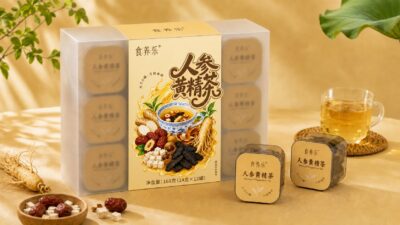
Ginseng and Polygonatum Herbal Tea
View Product