

Blog
Pigeon Soup or Chicken Broth? Picking a Herbal Bowl

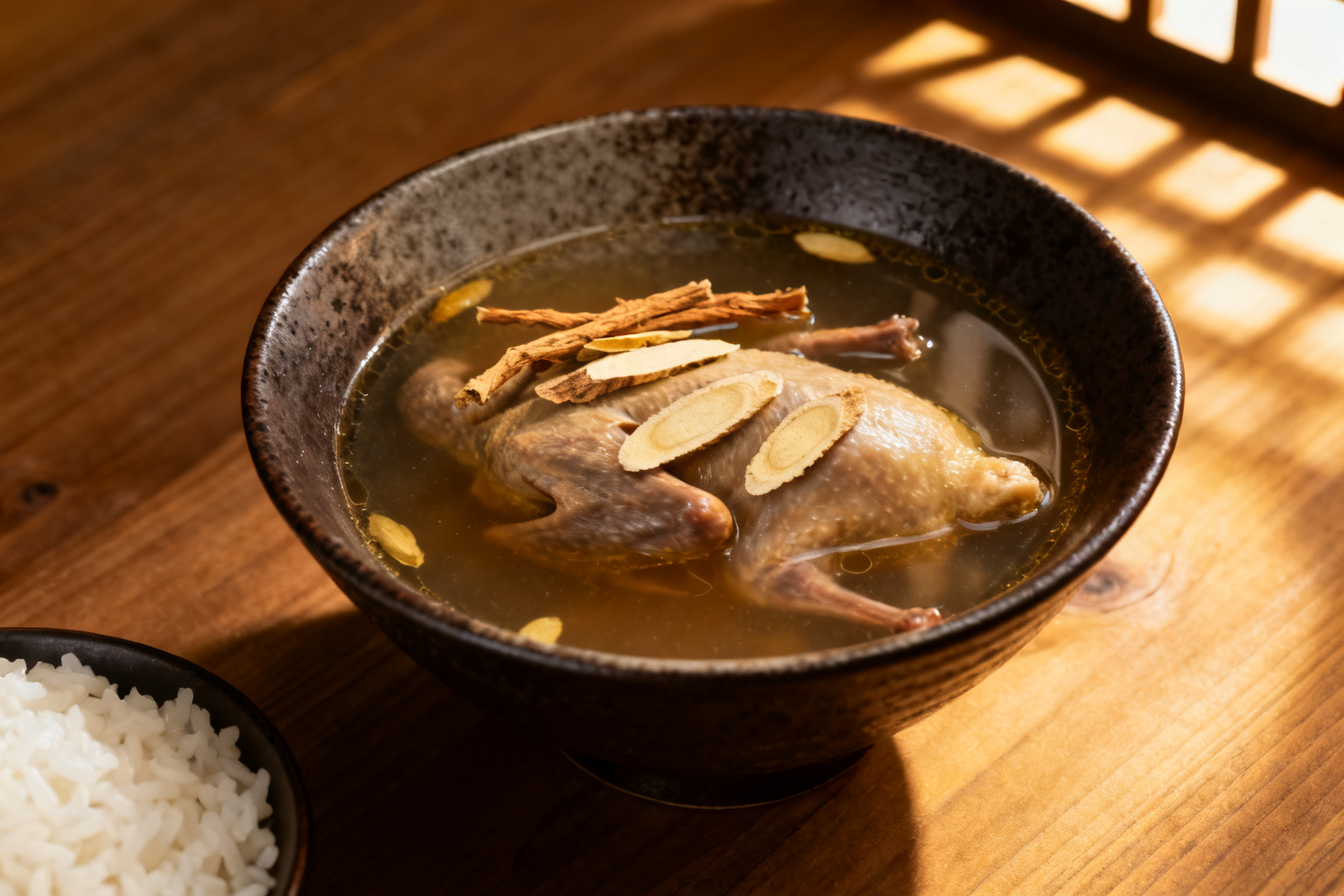
Pigeon soup and chicken broth do not sit in the same place on the table. Chicken broth is light, familiar, and easy to drink without thinking about it. Pigeon soup is darker, closer to game, and it keeps going after you swallow. If you are choosing one bowl for a cold evening, pick pigeon when you want the food to feel like dinner, and chicken when you want it to feel like something warm to hold.
The harder choice is further along the shelf. There is black chicken soup, herbal chicken soup, duck soup, and the Cantonese bowls built around dried roots. All of them get called chinese herbal soup in English, and none of them taste alike. What follows is a plain description of how each one reads in the mouth, plus where a ready to eat soup earns its place in an ordinary week.
One thing holds true across all of them: broth is a texture before it is a flavor. A thin bowl tastes wrong no matter how good the ingredients were, and a thick one carries every root further than a watery one can. That is why the bird matters less than what happened to it in the pot.
In This Article
Pigeon Soup, Black Chicken Soup, and Herbal Chicken Soup
Pigeon is a small bird with dark meat, and the broth it gives up is dense and slightly mineral, with a note people often call irony until they taste it properly. It is not gamy the way wild game is gamy. The gap is closer to the one between beef and veal. The meat stays firm through a long cook, so the bowl reads as food rather than as a drink, and plain rice underneath turns it into a full table.
black chicken soup uses silkie, the bird with dark skin and dark bone, and the result is the opposite experience. The meat is lean, the broth comes out clear and gently sweet, and it takes goji and red dates without turning muddy. Herbal chicken soup, the everyday version most people grew up with, is lighter still and nearly impossible to get wrong. Between the three, pigeon is the one that tastes like an occasion.
The mistake people make is ordering by the list of roots instead of by the bird underneath them. Two bowls can share codonopsis, astragalus, and red dates and still land in completely different places, because the meat sets the floor and the roots only decorate the room. Read the bird first, then the roots. That order will save you more disappointment than any label detail.
Duck Soup, American Ginseng, and What Hairy Fig Root Actually Is
Duck soup sits between pigeon and chicken. Duck has more fat under the skin, so the broth turns rounder and sweeter, and it can carry stronger aromatics without losing itself. The classic pairing is american ginseng duck soup, where the root brings a bittersweet edge that cuts straight through the fat. If a chinese herbal soup has ever tasted too heavy to finish, it was probably missing that kind of counterweight.
Then there is the question people ask most often after reading a menu: what is hairy fig root. It is the dried root of a fig relative grown in southern China, sold in bundles, and it smells faintly of coconut and warm milk when it simmers. The taste is earthy and lightly sweet, closer to a chestnut than to any herb. It gives an herbal soup a soft, rounded middle without pushing it toward anything medicinal.
If you are reading a menu and cannot tell which bowl you are ordering, look at the second half of the name. Something built on codonopsis and astragalus will taste mild and sweet. Something built on ginseng will taste sharper and thinner at the front. Something built on duck will feel heavier on the lips than something built on pigeon, and that weight is usually the thing you are actually choosing.
What Good Taste Is, in a Bowl of Broth
Good broth has three parts and you can feel all of them. The first is the front of the sip, which should be clean and slightly sweet. The second is the middle, where the body sits, the part that coats the tongue and makes the bowl feel cooked rather than mixed. The third is the long finish, the savory tail that stays after you put the spoon down. Miss the middle and the bowl tastes thin. Miss the finish and it tastes flat.
Most shortcuts fail in the middle. You can add salt, you can add aroma, and you can get the front of the sip right in about ten minutes. The middle comes from collagen and time, and there is no clever way around it. That is the part we refuse to skip, because it is the only reason a bowl of soup is worth eating slowly instead of drinking quickly.
This is also why the same bowl tastes like a different dish once it cools. Warmth loosens the body and pushes the aroma up. Below warm, the middle disappears and all that is left is salt and fat, which is not what anyone ordered. Eat it hot, in a bowl you can hold with both hands, and give it a minute before the first spoonful so the smell reaches you first.
What We Are Trying to Protect
The thing worth protecting in a bowl like this is temperature and body at the same time. A broth that arrives hot but thin is still a letdown, and a thick one served lukewarm is worse. Our Codonopsis Astragalus Pigeon Soup is built around three things: codonopsis root for a soft sweetness, astragalus for a drier, cleaner edge, and the bird itself for depth.
None of it is fast. The roots need time to open up, and the bird needs longer than the roots do. A long simmer is the only thing that builds the middle of a bowl, and no shortcut gets you there. What we will not do is shorten the roots to make the bird look quick. If the bowl tastes like the pot it came out of, the schedule behind it was right.
| Part of the Bowl | What You Notice First | What It Leaves Behind |
|---|---|---|
| Codonopsis root | A soft sweetness at the front of the sip | A rounder middle, gentler than ginseng |
| Astragalus slices | A faint woody, beany note underneath | A drier and cleaner finish |
| Pigeon | Dark meat depth, closer to game than chicken | A long savory tail that stays after you swallow |
| The simmer itself | Body rather than thickness | A light coating on the lips that says cooked, not mixed |
The bowl is not subtle the way a clear chicken broth is subtle. It is quiet, then it gets bigger. First comes the sweet top note from the codonopsis, then the pigeon, then a finish that hangs around while you talk. People who expect a strong herbal hit will find it gentler than they imagined, and people who expect bland will find it deeper. Both surprises come from the same decision to let the pot run long.
Herbal Soup for Busy Weeknights and Cold Weather
This is not holiday food. A ready to eat soup belongs on a Tuesday, in the twenty minutes between getting home and giving up on dinner. The people who keep one in the cupboard are not planning a feast. They are removing one decision from a tired evening, and that is the whole case for herbal soup for busy weeknights.
Cold weather is the other half. A chinese soup for cold weather should do two things at once: warm you from the hands inward, and taste like something you would order on purpose. Broth with body does both. Broth that is mostly hot water and salt does neither, and that is the difference worth paying attention to when you buy.
If you are serving it with a meal, treat it as the center and keep the sides plain. Rice, noodles, or bread, and maybe one vegetable. For herbal soup to serve with dinner, that is enough. Two strongly flavored dishes next to a bowl with roots in it will flatten each other, and you end up tasting neither. Browse the instant soup range if you want to see how the other bowls are put together.
One Thing to Remember
Pigeon broth is chosen for its middle rather than its top note: dark meat and a long simmer give a bowl that coats the tongue and keeps going, while chicken stays light and duck turns sweet. Pick by how much weight you want in the mouth.
Frequently Asked Questions
Why does pigeon soup cost more than chicken broth?
Because the bird and the hours both cost more. Pigeon is small, and a bowl built on it needs a longer simmer before the roots give anything up. You are paying for the middle of the bowl, the part that makes it hold together, rather than for volume or for packaging.
How hot should I eat it, and what should go next to it?
As hot as you can comfortably hold the bowl. Warmth lifts the aroma and keeps the body from turning flat, and once it drops you taste salt first. Keep the sides plain: steamed rice, noodles, or bread, and one vegetable. Anything strongly spiced will compete with the roots and win.
Can it work as dinner when I get home late on a Tuesday?
That is the case it was built for. A late dinner fails when it needs three pans and a decision, and this needs neither. Keep something starchy in the fridge and a bag of greens on hand, and the whole thing comes together in a few minutes without becoming a project.
How is it different from a carton of stock or a takeout soup?
Body, mostly. Carton stock is made light so it can disappear into other cooking, and takeout soup is made to survive a journey across town. A bowl meant to be eaten on its own has to carry its own weight, which is why the simmer runs longer and the broth leaves a slight coating on your lips.
What does herbal actually mean on a soup label?
It means dried roots, seeds, or fruit were simmered with the meat. It describes the pot, not a promise about what the bowl does for you. On a menu the word usually points to codonopsis, astragalus, ginseng, or hairy fig root, and the taste is the only thing it really tells you.
Try It Yourself
The bowls mentioned in this article, straight from our kitchen.
Codonopsis Astragalus Pigeon Soup
View Product